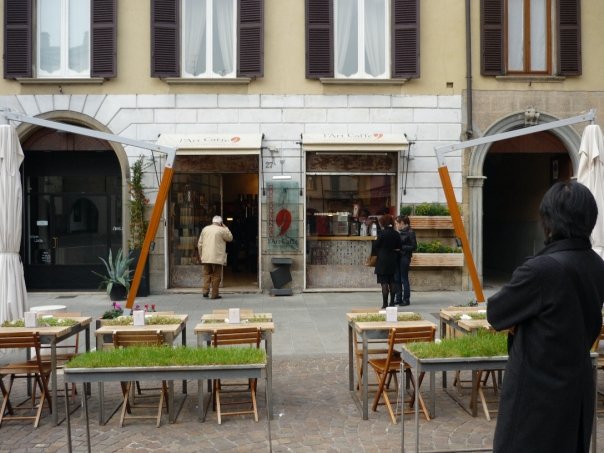
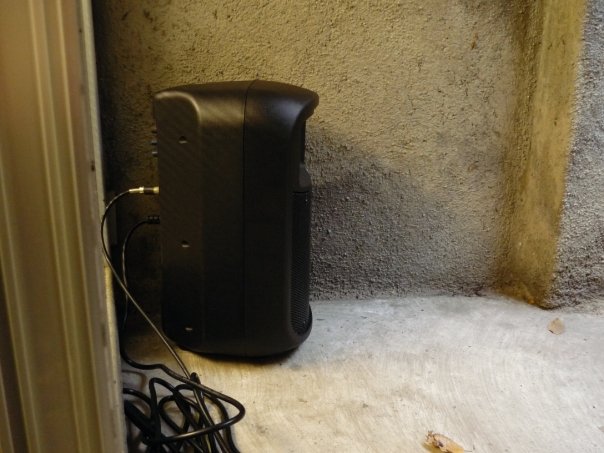
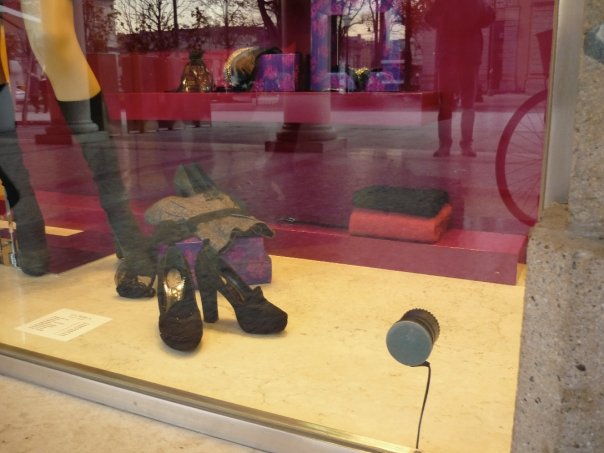
2008-09: installation during holiday season in Bergamo. The project placed 11 listening points around the city of Bergamo, including:
- a sound clock taking the place of church bells, counting the hours with recorded identifiable sounds (a dog barking, for example)
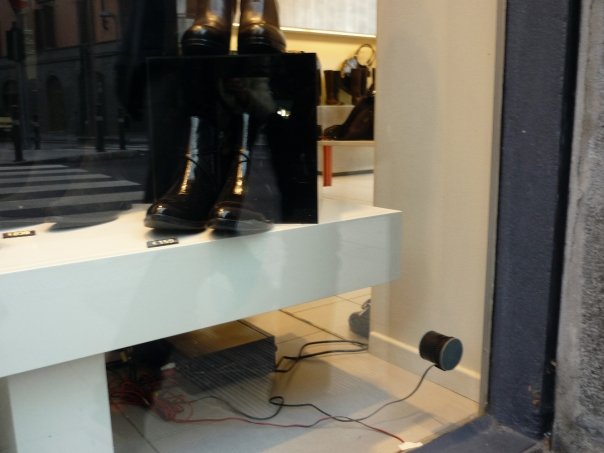
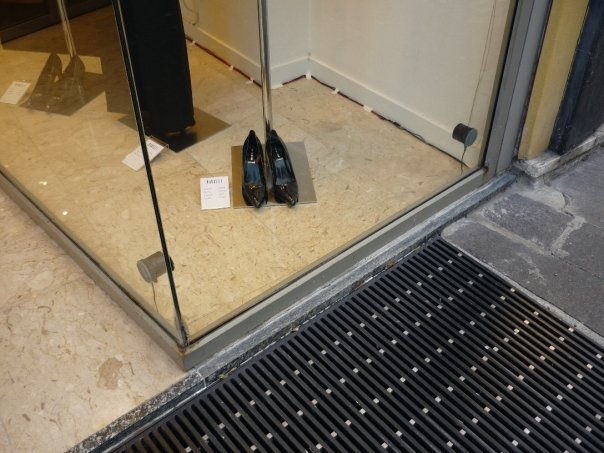
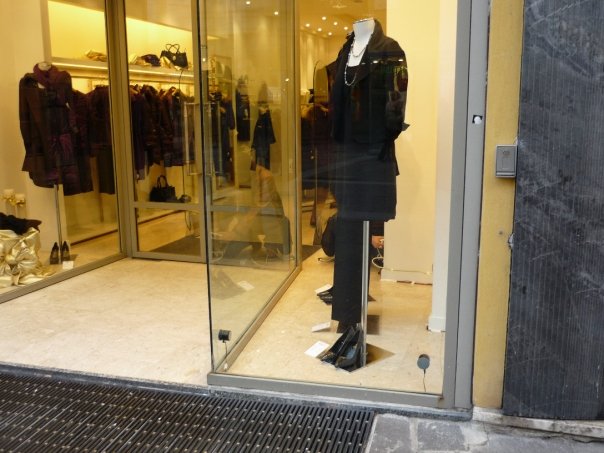
- the sound of newborn babies crying, hovering like an audio hologram near the elegant window displays of a lingerie store
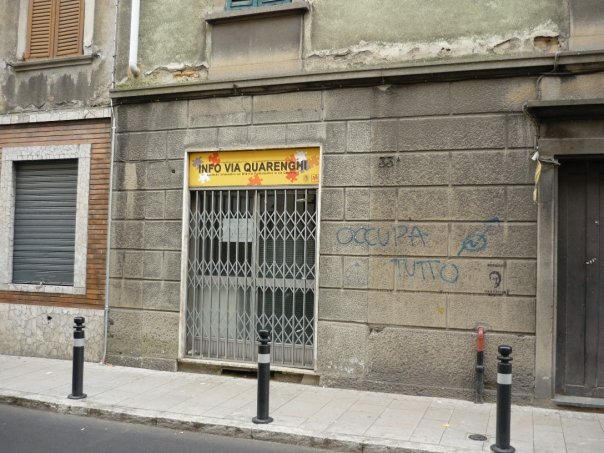
- the sound of a wild party that seemed to be happening in the courtyard behind the main (closed) entrance door of an abandoned building on a street in the city center that was in a state of neglect because of the presence of foreign immigrants and their businesses
- the sound of horses’ hooves on cobblestones at the upper station of a cableway, originally powered by horses
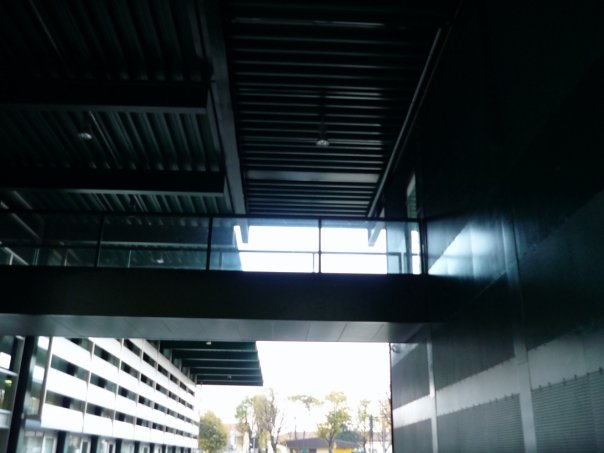
- the sound of an orchestra tuning up, played back very loudly inside the basement of a new but empty modern municipal building near the station (slated to become a cultural center). The tune-up could be heard faintly from outside the locked building, like a harbinger of the future cultural role of the facility
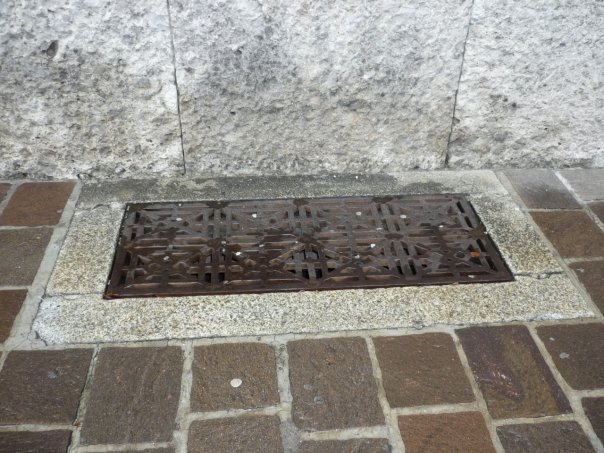
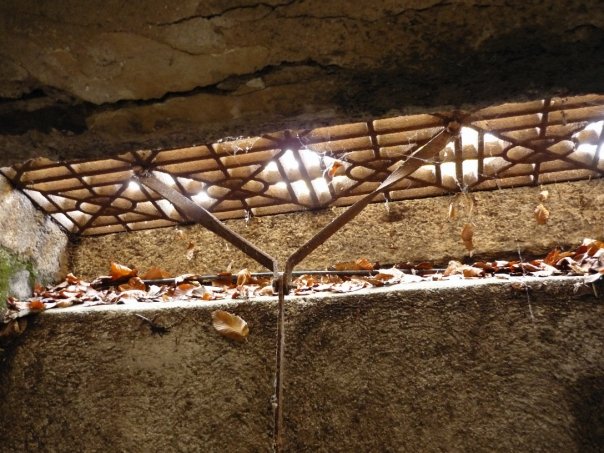
- the sound of rushing water and people talking underneath gratings and manhole covers in the street and in the main square of the lower city
- and other more abstract, always occasional (not constant) sounds.
The intermittent activation of the sounds prevented them from becoming irritating for the people living in the area, but also made the work impossible to visit as one would visit a museum or an installation. Therefore the true audience of the work was made up of people who lived or worked in the city, who would notice the slightly altered soundscape, mostly generated by hidden audio sources, over an entire month. The sounds of the babies crying (after all, it was Christmas!) prompted several people to call the police, saying there were children trapped inside the boutiques that hosted the sound transducers. The project was made possible by the municipal government and the local merchants’ association, who were probably not expecting this approach, and might have preferred Christmas music.
The name Storyville was quite literal, but also evoked the name of the red light district in New Orleans that existed from 1897 to 1917, thus nicknamed because the district had been suggested by an alderman named Sidney Story. The area was also popular for music clubs, and could be considered a birthplace of jazz, an innovative cultural hybrid that developed precisely because of the neighborhood’s mixture of races, languages and lifestyles.
Here are some shots, including behind-the-scenes stuff, of the sound installations around the city of Bergamo done by Steve Piccolo and Gak Sato with the students of Accademia Carrara (including some recordings by Mariella Guzzoni and public interaction by Manuel Ceci) and the technical help of Piero Belotti. We also had a free jazz horn ensemble and a chorus of Alpini veterans, as well as other performance events throughout the month.